
Exploring Sajjangarh Udaipur: Everything You Need for Your Visit

Best Scenic Places to Explore in Jawai with Family and Friends
June 8, 2026
Udaipur Monsoon Guide: 7 Delicious Eats You Can’t Miss
June 18, 2026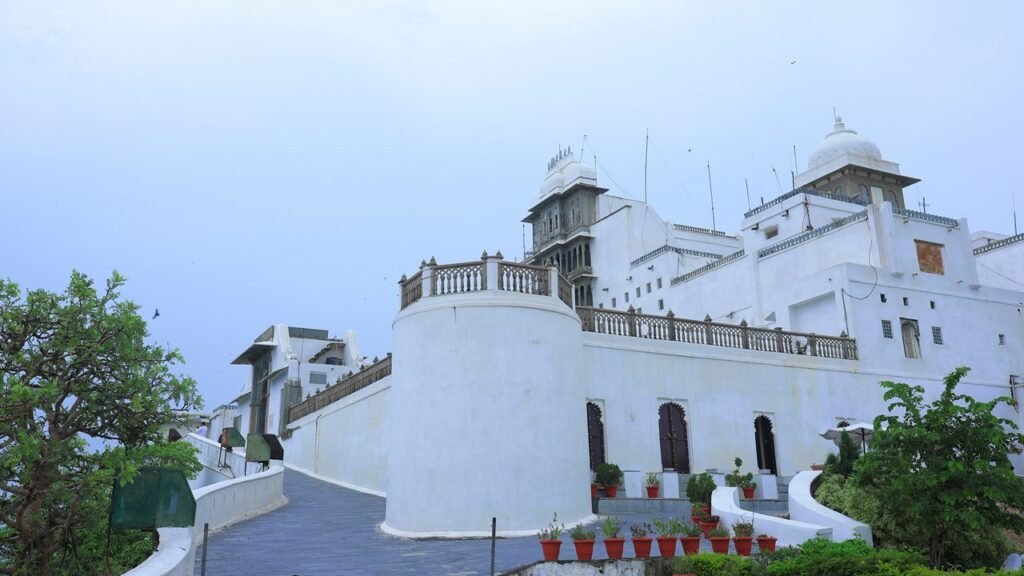
Udaipur, often celebrated as the “City of Lakes,” is a treasure trove of architectural marvels and natural beauty. Among the many iconic landmarks that define its skyline, one structure stands apart for its commanding position and ethereal charm: the monsoon palace Udaipur. Perched high on a hill, overlooking the sparkling lakes and the sprawling Aravalli range, this historic site offers an escape unlike any other in Rajasthan. Whether you are a history enthusiast or a photographer chasing the perfect golden-hour shot, a trip to the Sajjangarh Monsoon Palace is an essential part of any Udaipur itinerary.
The History Behind the Heights
To truly appreciate your visit, it helps to understand the origins of this site. The Sajjangarh Fort was commissioned by Maharana Sajjan Singh of the Mewar Dynasty in 1884. While it is popularly known as a summer retreat or a hunting lodge, the initial vision for the project was quite scientific. Maharana Sajjan Singh, a forward-thinking ruler, intended to build a nine-story astronomical observatory. His primary goal was to monitor the movement of monsoon clouds, which were vital for the agriculture of the Mewar region.
Unfortunately, the Maharana passed away at a young age, and the ambitious plan for a multi-story observatory was never fully realized. However, his successor, Maharana Fateh Singh, ensured the structure was completed, transforming it into the royal residence we admire today. Over the years, the Sajjangarh Fort, Udaipur, has served various purposes—from a serene royal getaway to a wireless radio station—before eventually becoming the protected monument it is today.
Architectural Marvels
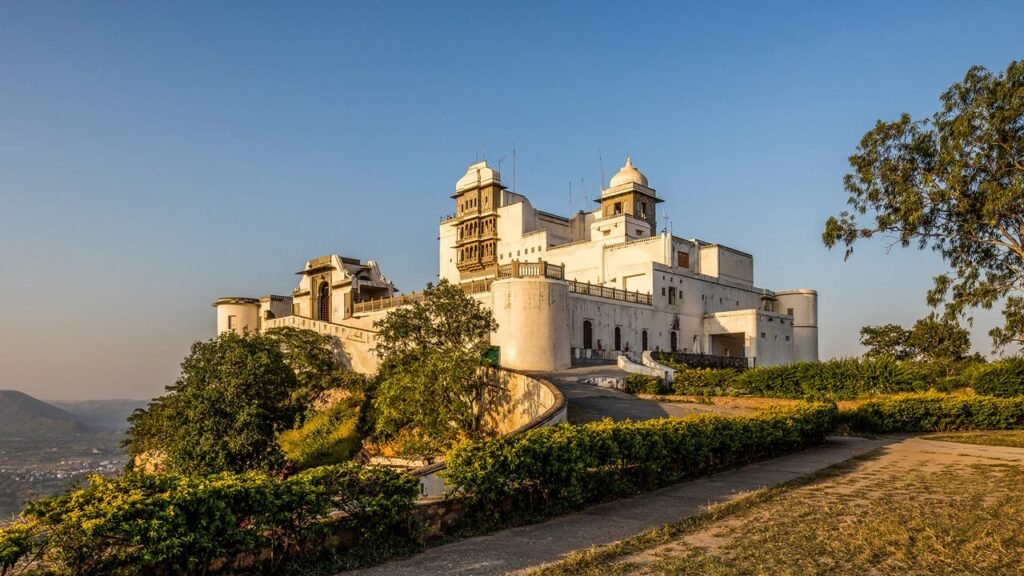
The architecture of the Sajjangarh Monsoon Palace is a stunning fusion of traditional Rajput design and colonial influences. Built using gleaming white marble, the structure is characterized by its high central domes, delicate jalis (stone-carved screens), and expansive courtyards.
As you walk through the premises, notice the intricate carvings on the pillars and the beautiful jharokhas (balconies) that offer sweeping views of the valley below. The palace is designed to capture the breeze, making it a naturally cool retreat even during the warmer months. Its elevated position on the Bansdara Peak ensures that you are greeted with panoramic vistas that change dramatically throughout the day—from the bright, shimmering blues of the lakes in the morning to the fiery orange hues of the sunset.
Why Visit the Monsoon Palace Udaipur?
Beyond its historical significance, the Sajjangarh Fort offers a unique vantage point to witness the geography of Udaipur. From this height, you can clearly see the layout of the city, the sprawling Fateh Sagar Lake, and the vast expanse of the Aravalli hills.
For nature lovers, the area surrounding the palace is a sanctuary in its own right. The Sajjangarh Wildlife Sanctuary, which encompasses the hill, is home to a diverse array of flora and fauna. As you drive up the winding roads to the sajjangarh fort udaipur, keep an eye out for wildlife such as sambar deer, hyenas, and various bird species. The blend of rugged hill terrain and lush greenery makes the journey to the top as memorable as the destination itself, serving as a highlight of any comprehensive Udaipur sightseeing tour.
Planning Your Visit: Tips and Logistics
To make the most of your trip, timing is everything. While the monsoon palace Udaipur is beautiful year-round, the experience changes with the seasons.
The Best Time to Visit
The name itself gives you a hint—the monsoon season (July to September) is truly magical. During these months, the palace is often enveloped in low-hanging clouds and mist, creating an atmosphere that feels like a fairytale. If you prefer pleasant, clear weather, the winter months from October to March are ideal for comfortable exploration.
How to Reach
The palace is located approximately 5 to 6 kilometers from the city center. The most convenient way to reach the Sajjangarh Monsoon Palace is by hiring a local taxi or an auto-rickshaw. Many travelers also opt for a private vehicle, which allows for a leisurely drive through the scenic sanctuary road. The winding road to the top provides several excellent viewpoints where you can stop for photographs.
Essential Visitor Information
- Timings: The site is typically open from 9:00 AM to 6:00 PM. Always check for local updates or seasonal changes before you head out.
- Entry Fee: There is a nominal entry fee for both domestic and international tourists. It is recommended to carry some cash, as digital payment infrastructure in remote hilltop locations can occasionally be inconsistent.
- What to Carry: Because the Sajjangarh Fort, Udaipur, is at a high altitude, it can be quite windy. Carry a light jacket or stole, especially if you are staying for sunset. Don’t forget your camera, as the sunset views from the western edge of the palace are among the best in all of Rajasthan.
Capturing the Magic
As the sun begins to set, the white marble of the monsoon palace Udaipur takes on a golden, almost incandescent glow. This is the prime time for photographers. As the sky turns shades of purple and orange, the reflection of the city lights beginning to twinkle in the valley creates a breathtaking contrast.
If you are a fan of cinema, you might find the structure familiar. The Sajjangarh Fort famously appeared in the 1983 James Bond film Octopussy, serving as the residence of the antagonist. Walking through the halls, it is easy to see why the location was chosen for its dramatic, imposing presence.
Final Thoughts for Your Journey
A trip to the Sajjangarh Monsoon Palace is more than just a sightseeing stop; it is an opportunity to connect with the heritage of Mewar from a perspective that few other monuments offer. By balancing historical exploration with the natural beauty of the Aravalli hills, you get a comprehensive look at what makes Udaipur a world-class destination.
As you plan your visit, remember to respect the surroundings. Being a protected monument and a wildlife sanctuary, it is essential to keep the area clean and follow the guidelines provided at the entrance. Whether you spend your time tracing the history of the royal family or simply sitting on the ramparts and watching the clouds roll over the lakes, the Sajjangarh Fort, Udaipur, will undoubtedly leave a lasting impression on your travel memories.
Enjoy the cool breeze, the stunning architecture, and the panoramic views of the City of Lakes. Your visit to this hilltop wonder is sure to be one of the highlights of your time in Rajasthan.